
- Culture & Travel
Mumbai’s GenZ Is Hitting Counter Clubs, And We’re All For It
- ByKavya Pillai

Gen Z and millennials are expanding their idea of having fun, opting for creative, community-driven experiences.
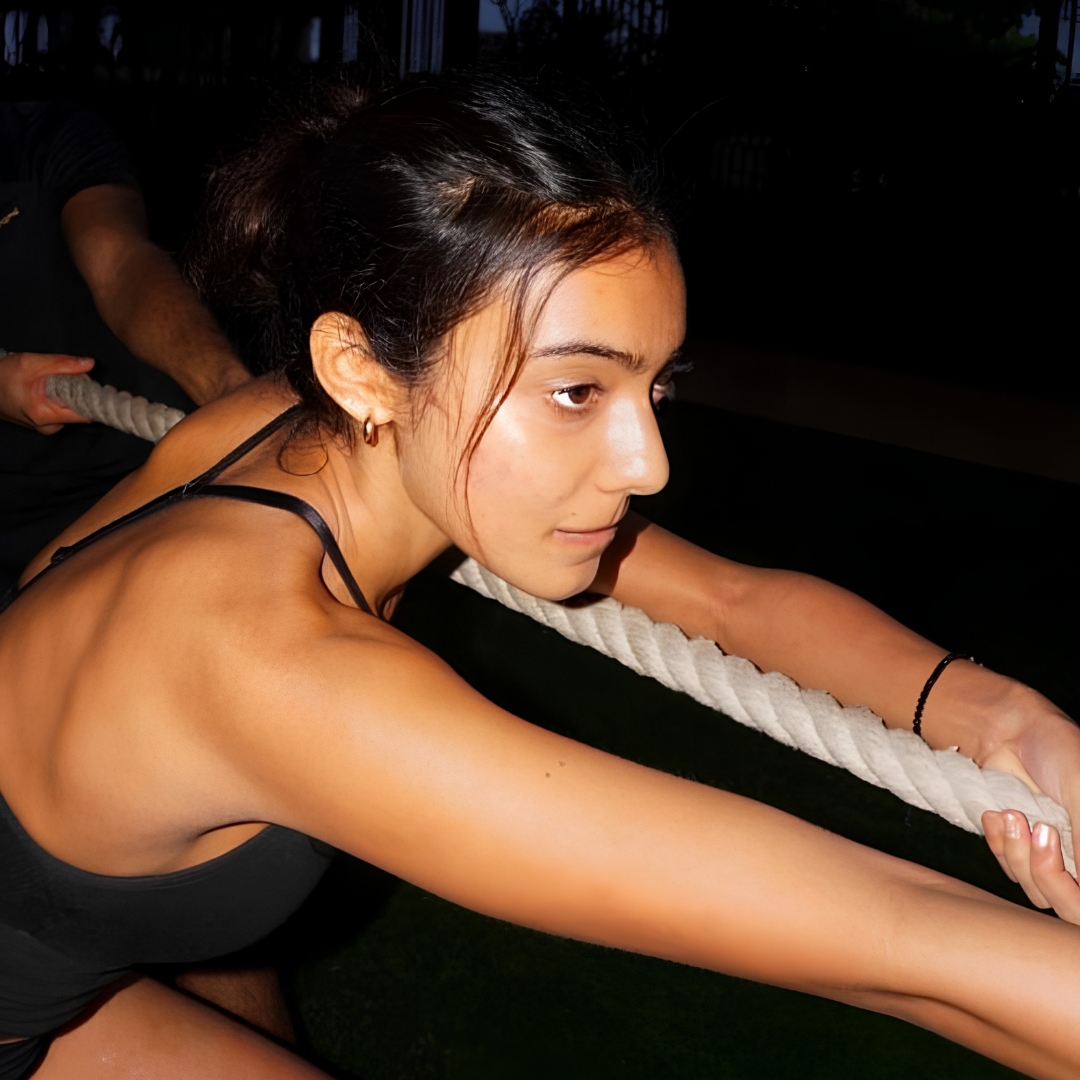
Above, a member of the BreakFree Club, Mumbai, indulges in a tug-of-war as part of the club’s activities.
There was a time when the weekend meant only one thing: you headed out to a club, with your friends, your favourite outfit, and drank till the sun rose. But GenZ is not interested in that.
Far from the strobe lights of a nightclub, their concept of ‘clubbing’ is far more interactive, immersive, activity driven, and not necessarily centered around alcohol either.
Behold, a different kind of club is beginning to take shape. Running groups meet at sunrise, strangers break bread at community dinner tables, surf communities catch the waves of the sea, and game nights have replaced small talk.
to take permission from their families.
The growing numbers of these clubs reveal that the shift is not just a trend, it reflects a deeper social need for connection. For Nabila Ismail, for instance, the intention to launch a solo travel club called Dose of Travel Club was to expand one’s options of travelling without thinking twice. “More than a gap in the market, I noticed a gap in permission for those wanting to explore the world,” she says. “The way I was raised, travelling solo wasn’t really something that was done. You waited, you went with family, or until you were married,” Nabila explains.
Drawing upon her own mother’s story, the entrepreneur shares how the matriarch wasn’t allowed to travel alone or without her husband. In response, travel, for Nabila, became an act of liberation. “It was going against the grain, doing something on my own terms, reclaiming a freedom that hadn’t been modelled for me. When I looked at the travel industry, no space spoke to that specific experience. To the South Asian woman or man who wants to see the world, they carry the weight of cultural expectations but also the feeling of doing something their parents never could.”
Once she started DOTC, the club grew rapidly. “We have grown to a community of over 270,000 travellers and 5,000+ members, and the connections are life-changing. People come on these trips alone and leave with friendships that last years.”
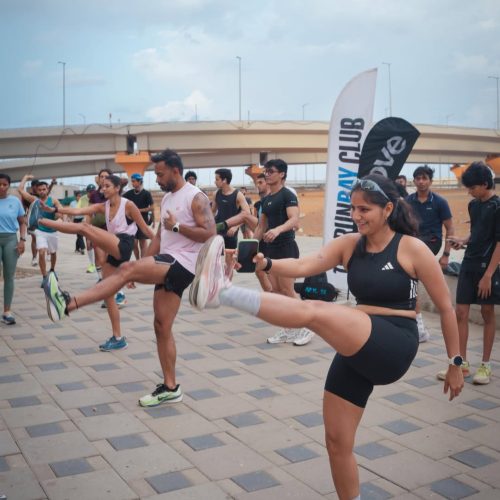
Another club that’s about going the distance is the RunBay Club in Mumbai. This running community emerged as a response to the urge many runners have to run in the company of like-minded enthusiasts. As co-founder Aalisha Shah explains, “Over time, we realised the real challenge was in seeing incremental gains once the runners showed up.” To fix that, the club created a structured environment where runners train together with clear goals. What began as informal meetups quickly developed into training programmes where members prepare for races such as the Tata Mumbai Marathon and the Ladakh Marathon.
Aalisha says that the most encouraging sign has been consistency—runners return week after week, sometimes for over a year. “There’s a sense of purpose. You leave a Saturday morning feeling accomplished, knowing you’ve done something meaningful for your body. What sets us apart is the challenge, of either the distance or the intensity of the session.” And in the process, many friendships are formed around shared goals and growth. A combination of discipline, releasing toxins, and sociliasing, the RunBay Club has grown from strength to strength.
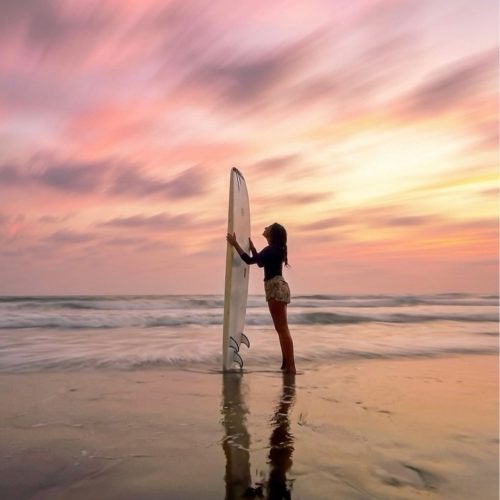
But runners aren’t the only ones breaking a sweat. On the waves of the Arabian Sea, Preeti Rawat and Suyash Rawat launched the Mumbai Surf Club in 2018, to make surfing cool again. “I learned to surf in Kovalam, Kerala and struggled to continue it once I was back home in Mumbai,” Preeti recounts. “So, I began exploring local beaches in Mumbai and realised Rajodi Beach [Vasai] could support surfing.”
The club was launched, but a new question hit the shores: How to encourage people to take out time from their schedules, because surfing during a week-long holiday is very different from doing it on the daily. “Our goal was to make surfing accessible within the city itself, to help people stay connected with the sport, and gradually bring a lifestyle change through surfing,” says Preeti.
Over time, a community formed around regular sessions by the sea, and many members who joined in the early years still return. The founders believe the attraction lies in the experience itself, because people want time outdoors and something physically engaging. Earlier this year, the Mumbai Surf Club even hosted Maharashtra’s first national stand-up paddleboarding competition, where their athletes won two silver and bronze medals.
sharing a meal and conversation with friends, and even strangers.
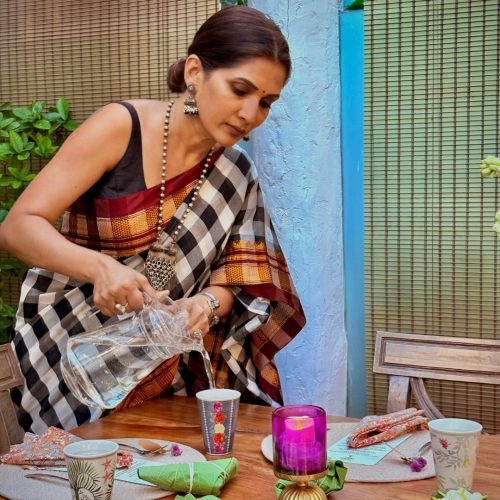
Away from the athletic side of these counter clubs, Supper Club Mumbai celebrates the principle of good food and good company. Founded by chef Rajshri Gupta in 2025, the entrepreneur noticed something that didn’t feel quite right: Dining had become efficient but began to feel impersonal. The Supper Club emerged as a way to restore the joy of hosting and having conversations while breaking bread. Here, guests gather around a shared table while the chef personally introduces each course and the story behind it. “Dining had lost intimacy,” Rajshri says, “and I wanted to build a space where food wasn’t just served but experienced. The club is all about storytelling through food, and every menu that we curate is inspired by travel, regional tradition, seasonal produce, and some personal memories.” As a chef, the founder draws deeply from her culinary learnings and roots, but she always allows space for evolution and experimentation.
To make this experience even more special, the setting is a warm home and the pace remains unhurried. With conversations flowing across the table, guests arrive as strangers and leave as friends. “The slower pace encourages them to linger and talk. Over time, many return with friends, and end up creating a community” Rajshri shares. In the initial months, the biggest challenge was trust—inviting people to a personal dining space is very different from asking them to book a restaurant table. “There were moments of doubt about whether people would feel comfortable sitting with strangers at the same table. But gradually, something beautiful emerged…..they began returning with their friends, as word spread organically.” Today, Supper Club Mumbai hosts diners from across the world, and what began as an idea has slowly turned into a community.
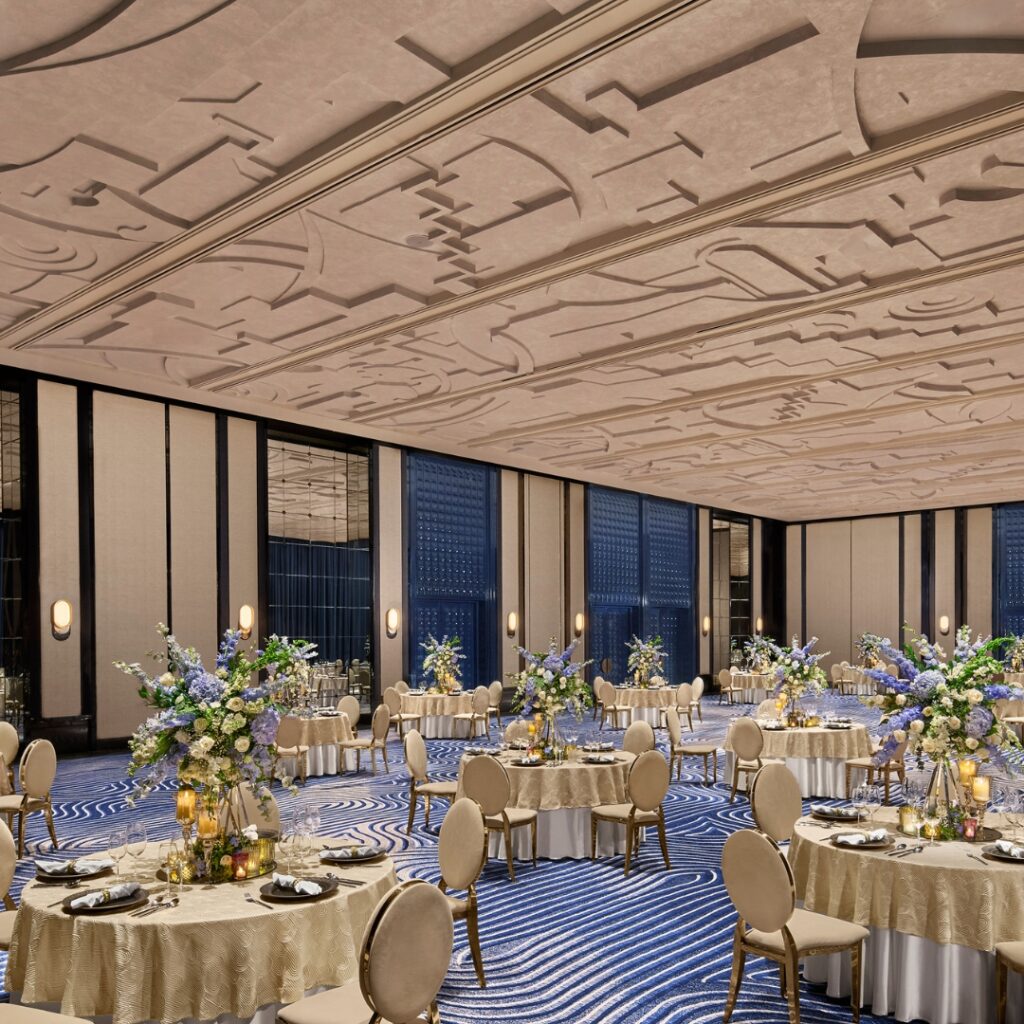
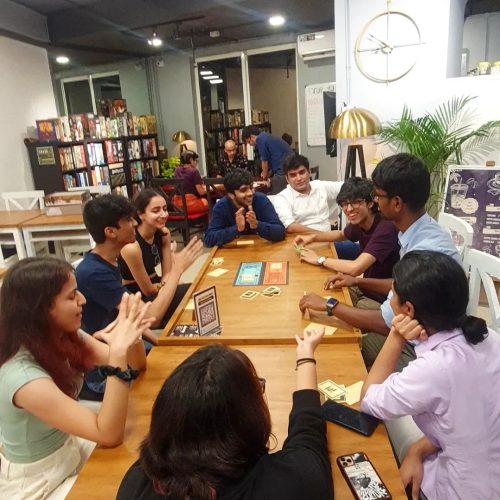
The joy of being with kindred spirits is equally evident in the Bombay Board Game Club, founded by Ronak Chitalia in 2018, where game developers and masters plan gaming sessions for groups. There’s high adrenaline, strategic play, and victories in these board game sessions, the idea for which came from the founder not enjoying conventional social scenes. “Mumbai has incredible energy but most social venues cater to loud nightlife or passive experiences,” Ronak says. Board games, in contrast, offer an alternative for those who find it hard to indulge in small talk. And every session is thoughtfully planned, for many participants arrive without knowing one-another.
Today, the Bombay Board Game Club is even being booked to host private groups of friends and business networks. The organisers are also working on a travelling format with sessions hosted at members’ homes and private venues across the city, and they are also exploring a library membership where members can borrow games to host their own evenings. In addition, the club is developing and licensing their own original games. “Our team is actively expanding internationally, too. We are taking Bombay Board Game Club to Singapore, Canada, the United States, and across Europe. The vision is a network of hosting experiences where a member in one city can walk into a session in another and feel immediately at home.”
On a final, calmer note, the BreakFree Club by Savr Kumar was founded in 2024 as a way to find inner peace over meditation. Today, the club has 600 members, who travel to various places where they explore waterfalls, trek, indulge in cliff jumping, create art, and meditate. Savr has been meditating for years and initially began hosting small gatherings, followed by breakfast. Today, the club hosts two to three events a week. “We have rock climbing, expressive arts therapy, volunteering at dog shelters and orphanages, overnight retreats, and camps.” He adds, “I wanted to make meditation more accessible and build a community around it since I had done Vipassana, and I felt that there were many misconceptions around meditation.”
Savr believes the club addresses a practical gap many adults face. “It’s hard to meet new people outside work,” he says. “We are limited in the avenues that we have, because most people are restricted to only meeting their friends and colleagues. And it is very difficult to make new friends at a nightclub or to approach someone randomly at a café.” BreakFree offers an environment where shared activities make connection easier.
As for what is next in the books for BreakFree, Savr shares, “We will soon be expanding the community to Bengaluru. We have a vision where a BreakFree Club member can go to any major city in India, and have access to a lovely community of people to meet regularly” he shares. The club is also about to release a meditation track and an app. And for events and experiences, they have created the BreakFree Collective: “We have hosted games nights for communities like Soho House and Aditya Birla’s Club Jolies. We are partnering with corporates to become their wellness partners and regularly host our flagship events for their employees or members,” he reveals.
Despite their differences, these communities share one important trait. The founders embody the culture they are building. Nabila travelled alone before organising travel groups. The RunBay founders were runners long before creating the club. Mumbai Surf Club began with surfers who wanted to keep practising in their own city. Savr had been meditating for years before starting BreakFree. Bombay Board Game Club is run by game designers. And Supper Club Mumbai is led by a chef who cooks and hosts the dinners personally.
People joining these spaces are not stepping into an abstract concept. They are buying a ticket to a show made just for them, by people who know how to.
All images: Courtesy the clubs
READ MORE
- Mumbai’s GenZ Is Hitting Counter Clubs, And We’re All For It

- The New Rules of Hosting Bring Seriously Good Taste To The Table

- What Happens When Maybelline Meets Spotify? A Beauty Experience That Turns Into a Concert By Night!

- Everything You Need To Know About Dubai’s Fabulous Art Scene
- Ladakh’s Pink Blossoms Are An Exquisite, Luxurious Celebration